Description
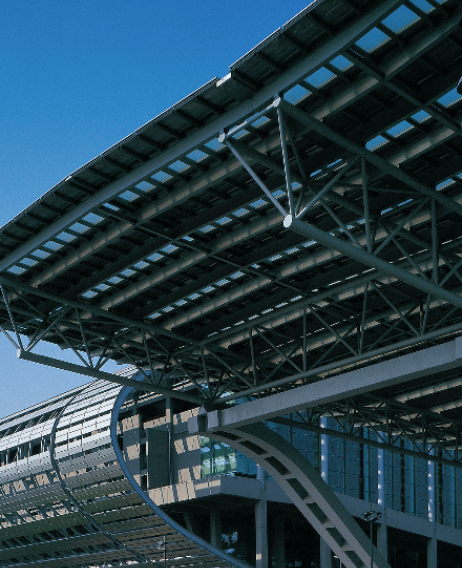
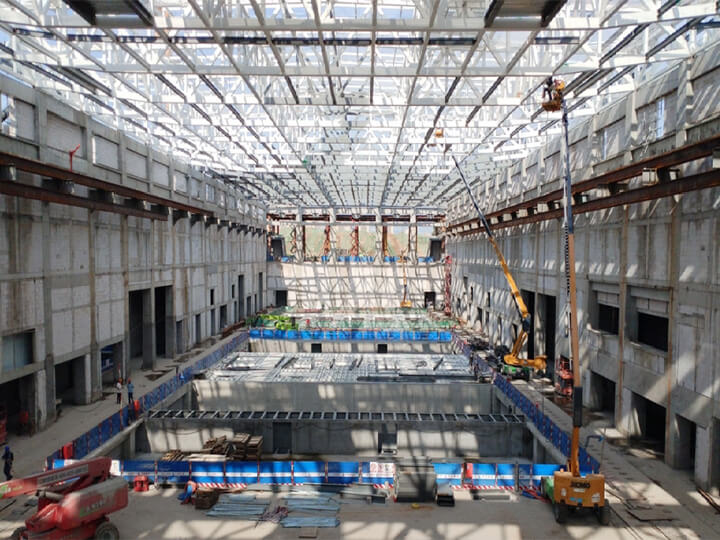
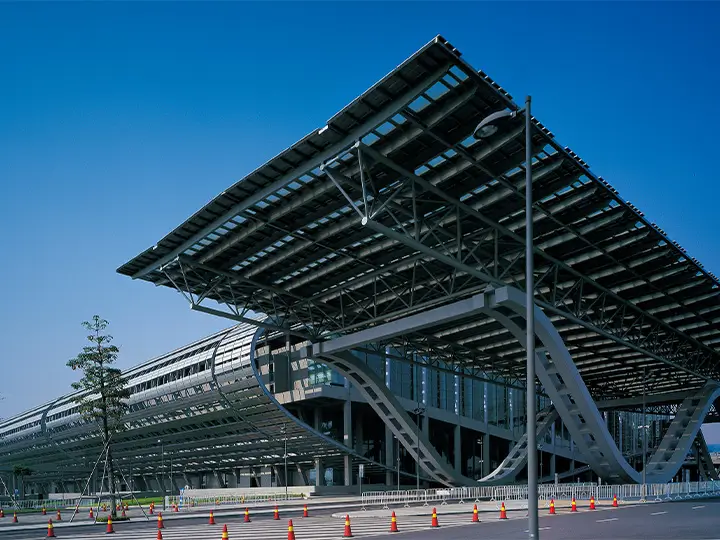
Steel structure warehouses have emerged as the preferred choice for modern industrial storage due to their exceptional performance, durability, and cost-effectiveness. Constructed with high-quality steel components—including I-beams, H-columns, steel trusses, and corrugated steel sheets—these warehouses combine structural stability with flexible design, catering to the diverse needs of manufacturing, logistics, agriculture, and retail sectors. Unlike traditional concrete or brick warehouses, steel structures offer unparalleled advantages in construction efficiency, spatial utilization, and long-term maintenance, making them a smart investment for businesses seeking scalable storage solutions.
1
Core Advantages
Steel is renowned for its high tensile strength and load-bearing capacity, enabling steel warehouses to withstand extreme weather conditions (such as strong winds, heavy snow, and earthquakes) and support heavy-duty equipment (e.g., overhead cranes, shelving systems, and forklifts). With anti-corrosion treatments (galvanization or painting), steel components resist rust and degradation, ensuring a service life of 50+ years—far exceeding that of conventional structures.
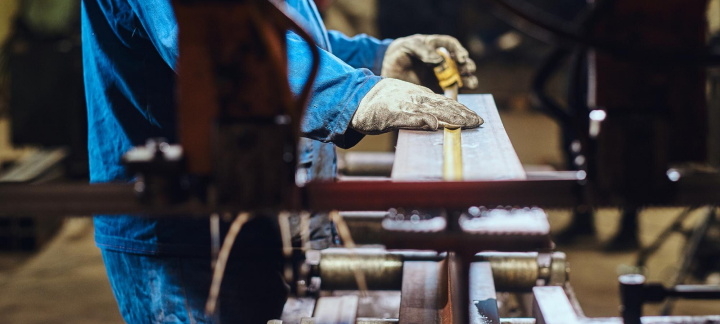
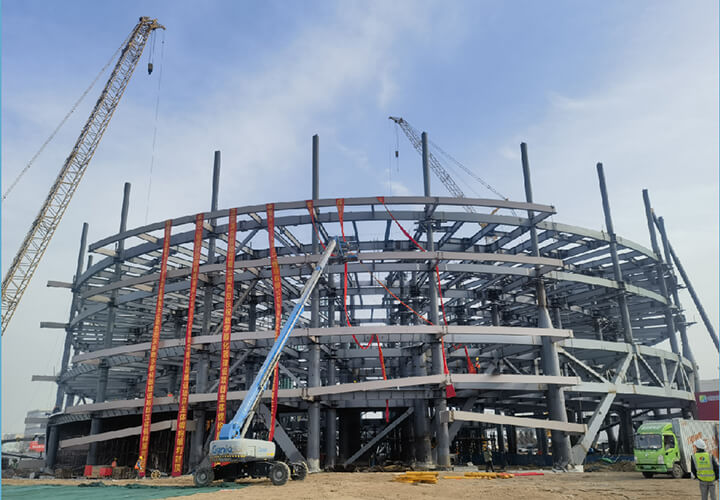
Prefabricated steel components are manufactured in factories with precision and then transported to the construction site for assembly, significantly reducing on-site construction time by 30-50% compared to concrete buildings. The simplified installation process minimizes labor costs, while the lightweight nature of steel reduces foundation requirements, lowering overall construction expenses. Additionally, steel’s recyclability and low maintenance needs further cut long-term operational costs.
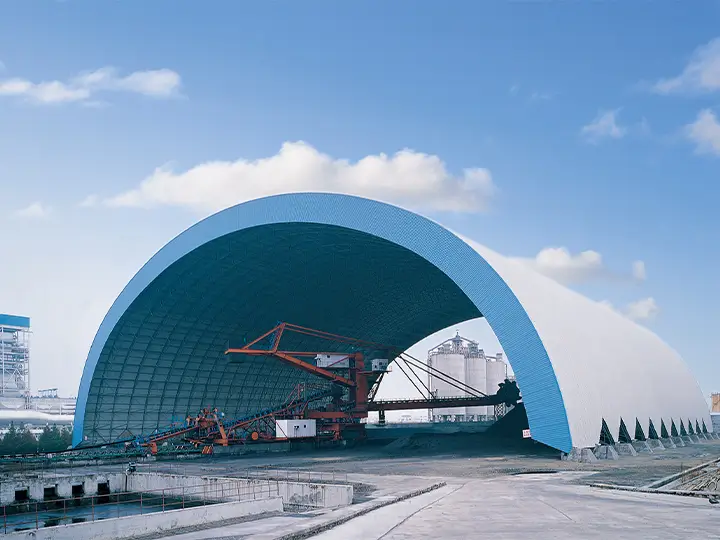
Steel structures allow for large-span designs (up to 100 meters without internal columns), creating unobstructed storage spaces that maximize usable area. The modular nature of steel components enables easy expansion or modification—whether extending the warehouse length, adding mezzanines, or integrating new functional zones (e.g., office areas, loading docks, or cold storage). This flexibility adapts to growing business needs without major structural overhauls.
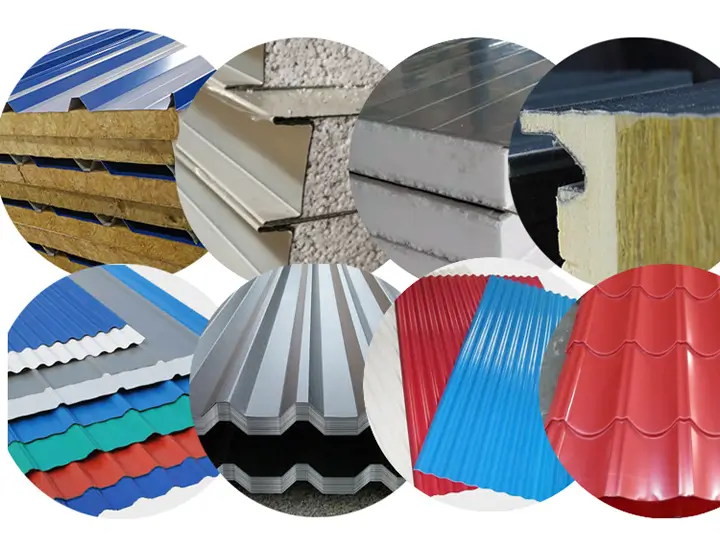
Steel is 100% recyclable, aligning with sustainable development goals and reducing carbon footprints. The tight joint connections and thermal insulation options (e.g., rock wool or polyurethane insulation panels) enhance energy efficiency, lowering heating and cooling costs. Moreover, steel construction generates less waste during installation, making it an eco-friendly choice for green warehouses.
2
Typical Applications
Steel structure warehouses are widely used across various industries:
- Logistics & Distribution: Ideal for storing goods, pallets, and containers, with easy access for trucks and forklifts.
- Manufacturing: Suitable for raw material storage, production workshops, and finished product warehousing, supporting heavy machinery.
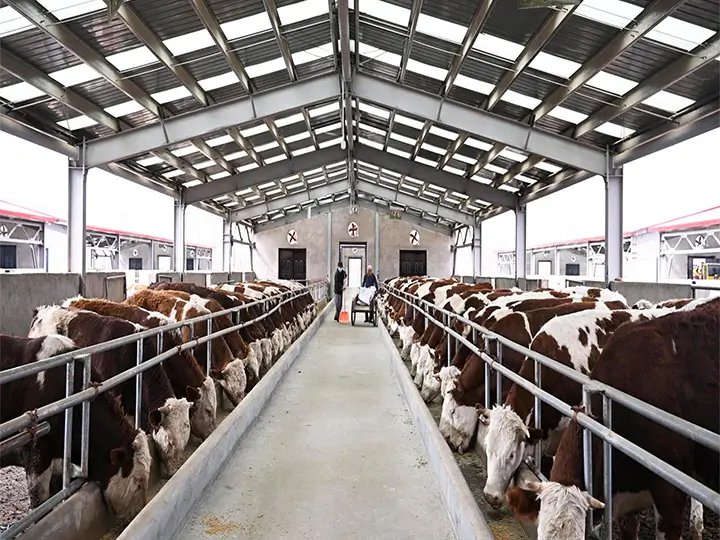
- Agriculture: Used for grain storage, livestock shelters, and farm equipment storage, resistant to moisture and pests.
- Retail & E-Commerce: Perfect for large-scale inventory storage, with customizable layouts to optimize order fulfillment processes.
- Specialized Storage: Adaptable to cold storage (with insulation and refrigeration systems), hazardous material storage (meeting safety standards), and high-rise warehouses (with steel framing for vertical expansion).
3
Customization & Quality Assurance
Reputable steel structure manufacturers offer tailored solutions based on client requirements, including warehouse size, load capacity, climate conditions, and functional needs. All components comply with international standards (e.g., AISC, EN 1090) and undergo strict quality control tests, ensuring structural safety and reliability. Professional engineering teams provide full support from design and fabrication to installation and after-sales service, guaranteeing a seamless construction experience.