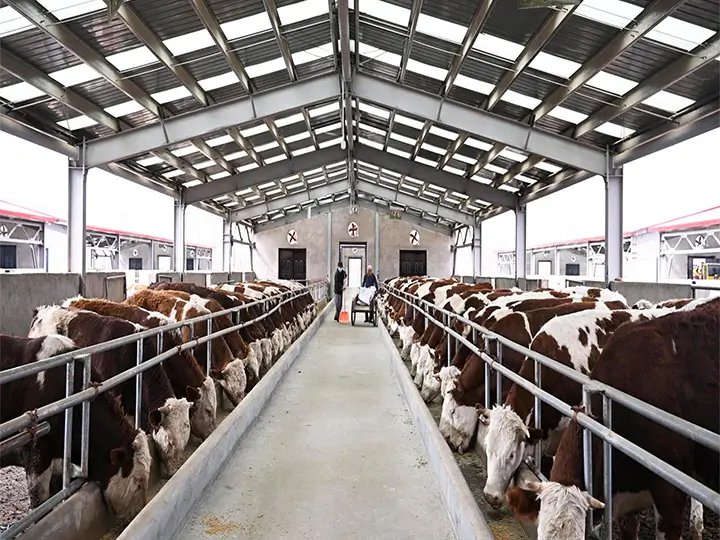
Description
A High-Performance Solution for Modern Livestock Farming
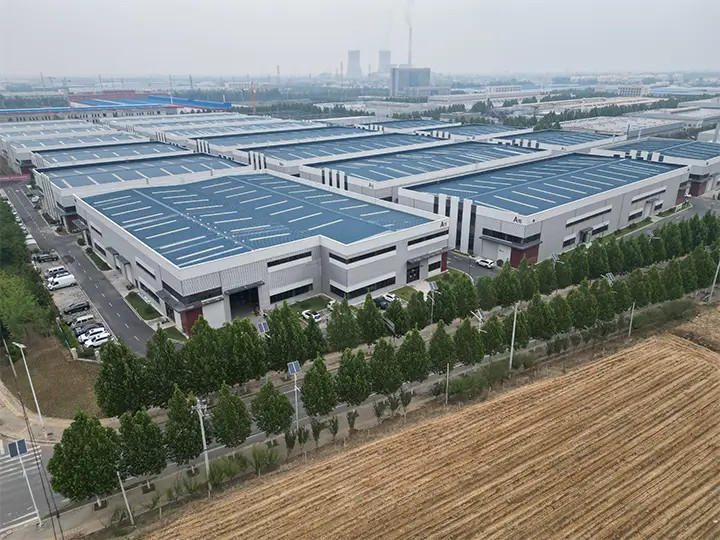
A steel cattle shed is a specialized livestock facility that uses high-strength steel components as its primary load-bearing system, integrated with functional accessories such as insulation layers, ventilation equipment, and feeding troughs. Designed to meet the core needs of cattle breeding—including environmental control, herd health, and operational efficiency—this structure has replaced traditional brick-and-concrete or wooden sheds as the preferred choice for large-scale, intensive cattle farms. Its “factory prefabrication + on-site assembly” model not only accelerates construction but also adapts to the diverse climatic and operational requirements of global livestock farming.
1
Core Structural Configurations for Cattle Farming
Steel cattle sheds adopt targeted structural designs based on factors like herd size, breeding purpose (dairy or beef cattle), and local climate, ensuring a balance between structural stability and breeding practicality:
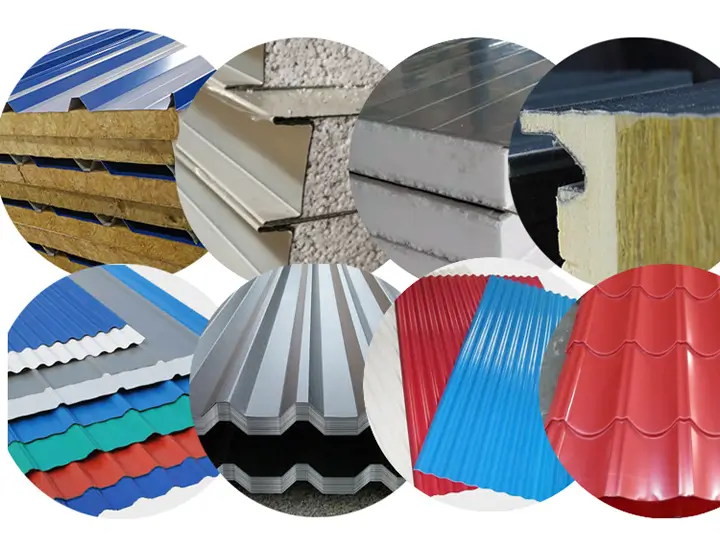
This configuration uses galvanized light steel as the frame (typically Q235 or Q355 steel) and polyurethane sandwich panels as the enclosure material, forming a lightweight yet sturdy structure. The steel frame, with a compressive strength of 235-345MPa, provides reliable support while keeping the overall weight low—reducing foundation load by 40% compared to concrete sheds . The composite panels, with a thermal conductivity of only 0.022-0.026 W/(m·K), effectively insulate the interior: in cold northern regions, the shed temperature can be maintained at 10-15°C in winter without excessive heating, while in hot southern areas, the heat insulation effect reduces indoor temperatures by 5-8°C . A standard 60m×10m shed for 100 beef cattle can be assembled in just 7-10 days, with the middle 1.5m-wide passage ensuring smooth movement of feeding vehicles and staff .
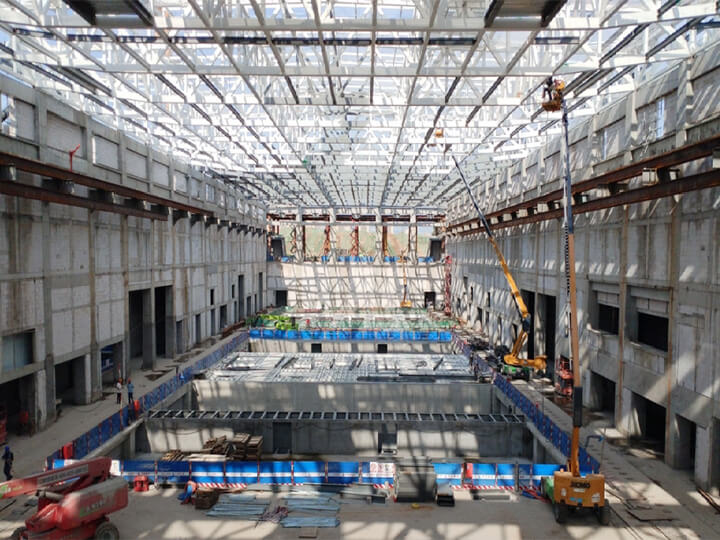
Ideal for large-scale farms with 500+ cattle, this structure uses H-steel trusses to achieve a single span of 15-20 meters without intermediate columns, maximizing usable space . The open layout facilitates the installation of automated equipment such as overhead feeding conveyors, manure scrapers, and milking machine tracks. For example, a 100m×20m dairy cattle shed can accommodate 300 milking cows with dedicated zones for feeding, resting, and milking, while the 4.5m ridge height ensures sufficient ventilation and avoids moisture accumulation . The steel trusses are treated with hot-dip galvanization, forming a 50-80μm anti-corrosion layer that resists corrosion from cattle urine and manure, extending the service life to over 20 years .
2
Key Advantages Tailored to Cattle Breeding Needs
Steel cattle sheds address the pain points of traditional farming facilities, bringing comprehensive value to breeders in terms of animal welfare, operational efficiency, and cost control:
- Optimized Breeding Environment & Herd Health
The enclosed composite panel structure effectively blocks external wind, rain, and extreme temperatures, while the customizable ventilation system (combining roof ventilators and side wall shutters) maintains air circulation—reducing ammonia concentration to below 15ppm, which is 60% lower than in wooden sheds . The 1.5° slope design of the concrete floor (supported by the steel frame) ensures rapid drainage of urine and cleaning water, preventing蹄病 (hoof disease) caused by damp conditions . The smooth surface of steel components is easy to clean and disinfect, with no cracks or dead corners that harbor pathogens, reducing the incidence of infectious diseases by 35% .
- High Durability & Weather Resistance
Galvanized steel components resist rust and corrosion, withstanding the acidic environment of cattle manure and urine without structural degradation. In coastal areas, the addition of anti-corrosion coatings further enhances resistance to salt spray, ensuring the structure remains intact for 25 years . The steel frame’s high rigidity enables it to resist level 10 typhoons (wind load of 0.55kN/㎡) and heavy snow loads of 0.3kN/㎡ in northern regions, avoiding collapse risks that plague traditional wooden sheds . In seismic zones, the flexible steel structure absorbs 30% of seismic energy, meeting 7-degree seismic fortification standards .
- Cost-Effective & Energy-Saving
In terms of construction costs, the unit price of a steel cattle shed is approximately $80-120 USD/㎡, which is 20% lower than that of brick-and-concrete sheds. The prefabricated model reduces on-site labor by 60% and shortens the construction period by 70%—a 500-head cattle shed can be put into use within a month, accelerating investment returns . In operation, the excellent insulation performance reduces heating and cooling energy consumption by 50%: a 100-head shed saves about $1,200 in annual energy costs . The 93% recyclability of steel also increases residual value—when the shed is renovated, steel components can be reused or recycled without quality loss .
- Flexible Expansion & Functional Adaptability
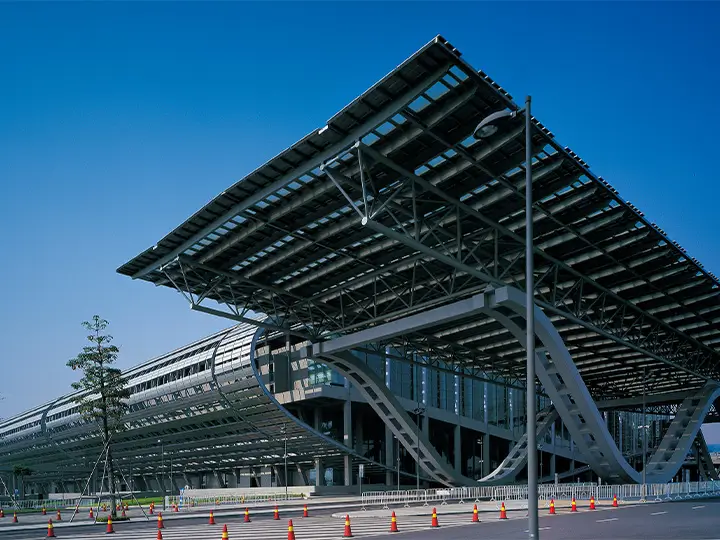
Steel structures allow easy expansion: existing sheds can be extended by adding prefabricated steel modules without affecting the original structure. For example, a 200-head shed can be expanded to accommodate 400 heads in 3-5 days . The open space also supports the upgrade of intelligent equipment—breeders can install temperature and humidity sensors, video monitoring, and automated feeding systems without major structural modifications. In some modern farms, steel sheds are even equipped with photovoltaic panels on the roof, generating enough electricity to power lighting and ventilation systems, reducing reliance on grid electricity by 30% .
3
Future Development Trend
With the development of smart agriculture, steel cattle sheds are evolving towards intelligence and environmental friendliness. The integration of BIM technology enables precise design of shed layouts, matching the size of cattle pens with the growth stages of cattle to avoid space waste . The combination of steel structures and circular agriculture systems is becoming more prevalent: manure collected in the shed is processed into biogas, and the biogas generator provides power for the shed, forming a “breeding-energy” cycle . Major steel manufacturers are also launching low-carbon steel products for livestock facilities—electric arc furnace (EAF) steel, with 75% lower CO₂ emissions than traditional steel, helps farms achieve carbon neutrality goals .
4
Conclusion
In summary, steel cattle sheds represent the modernization of livestock farming facilities. By combining structural stability, environmental adaptability, and operational efficiency, they not only improve the welfare and health of cattle but also enhance the economic benefits and sustainability of breeding operations, becoming an indispensable part of the global intensive cattle farming industry.