
Products
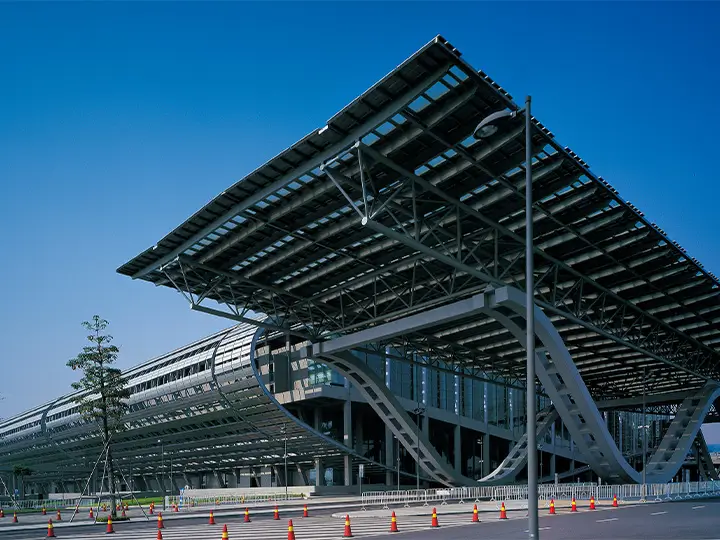
- Super Safety and Durability
- Cost Efficiency Throughout the Life Cycle
- Green Sustainability and Low Carbon Emissions
- Strong Future Adaptability
Why Choose Us?
Tiankai Southeast is specializes in design manufacturing installation prefabricated housing multi- super
high-rise steel structures large-span space tube truss steel structures plant steel structures green building
materials and other prefabricated building production and manufacturing enterprises.
Precision forging, both rigidity and flexibility, quality and creativity.
Integrated with steel structure, creating modern practical landscape, durable.
Cutting-edge tech fused with stylish design, reshaping building appearance’s peak.
With steel as the core, scientific planning, releasing the unlimited potential of space.
Frequently Asked Questions
Find quick answers to common questions below.
What are the differences in the selection of anti-corrosion primers for different types of steel structure buildings?
There are significant variations in the corrosion environment, service requirements, and maintenance conditions of different types of steel structure buildings. The core of anti-corrosion primer selection revolves around “adapting to corrosion intensity, ensuring adhesion, and matching subsequent coatings”. Below are the primer selection criteria and differences for various common steel structure buildings:
1. Industrial Plant Steel Structures
These buildings are often exposed to dust, oil contamination, mild chemical media, or humid environments, with a moderate corrosion level. They also require cost-effectiveness. For ordinary closed plants, epoxy zinc phosphate primer is preferred. It has flexible surface treatment requirements, adapting to St3-level manual derusting surfaces. It offers good oil resistance and moderate cost, meeting the initial rust prevention needs in dry or slightly humid environments. For scenarios with slightly more severe corrosion such as chemical plants and semi-outdoor plants, epoxy zinc-rich primer (zinc content ≥70%) is used. It resists mild chemical medium erosion through cathodic protection. When combined with epoxy micaceous iron oxide intermediate paint and polyurethane topcoat, it can extend the anti-corrosion service life, suitable for Sa2.5-level derusting surfaces.
- Simple component design (mostly H-beams), fewer processing steps, and high material utilization.
- No complex node design, fast installation speed, low labor costs, suitable for small and medium-sized factories and warehouses.
What are the cost differences between different types of steel structures?
There are significant variations in the corrosion environment, service requirements, and maintenance conditions of different types of steel structure buildings. The core of anti-corrosion primer selection revolves around “adapting to corrosion intensity, ensuring adhesion, and matching subsequent coatings”. Below are the primer selection criteria and differences for various common steel structure buildings:
1. Industrial Plant Steel Structures
These buildings are often exposed to dust, oil contamination, mild chemical media, or humid environments, with a moderate corrosion level. They also require cost-effectiveness. For ordinary closed plants, epoxy zinc phosphate primer is preferred. It has flexible surface treatment requirements, adapting to St3-level manual derusting surfaces. It offers good oil resistance and moderate cost, meeting the initial rust prevention needs in dry or slightly humid environments. For scenarios with slightly more severe corrosion such as chemical plants and semi-outdoor plants, epoxy zinc-rich primer (zinc content ≥70%) is used. It resists mild chemical medium erosion through cathodic protection. When combined with epoxy micaceous iron oxide intermediate paint and polyurethane topcoat, it can extend the anti-corrosion service life, suitable for Sa2.5-level derusting surfaces.
- Simple component design (mostly H-beams), fewer processing steps, and high material utilization.
- No complex node design, fast installation speed, low labor costs, suitable for small and medium-sized factories and warehouses.
Common types of steel structures
There are significant variations in the corrosion environment, service requirements, and maintenance conditions of different types of steel structure buildings. The core of anti-corrosion primer selection revolves around “adapting to corrosion intensity, ensuring adhesion, and matching subsequent coatings”. Below are the primer selection criteria and differences for various common steel structure buildings:
1. Industrial Plant Steel Structures
These buildings are often exposed to dust, oil contamination, mild chemical media, or humid environments, with a moderate corrosion level. They also require cost-effectiveness. For ordinary closed plants, epoxy zinc phosphate primer is preferred. It has flexible surface treatment requirements, adapting to St3-level manual derusting surfaces. It offers good oil resistance and moderate cost, meeting the initial rust prevention needs in dry or slightly humid environments. For scenarios with slightly more severe corrosion such as chemical plants and semi-outdoor plants, epoxy zinc-rich primer (zinc content ≥70%) is used. It resists mild chemical medium erosion through cathodic protection. When combined with epoxy micaceous iron oxide intermediate paint and polyurethane topcoat, it can extend the anti-corrosion service life, suitable for Sa2.5-level derusting surfaces.
- Simple component design (mostly H-beams), fewer processing steps, and high material utilization.
- No complex node design, fast installation speed, low labor costs, suitable for small and medium-sized factories and warehouses.
Common application scenarios of steel structures
There are significant variations in the corrosion environment, service requirements, and maintenance conditions of different types of steel structure buildings. The core of anti-corrosion primer selection revolves around “adapting to corrosion intensity, ensuring adhesion, and matching subsequent coatings”. Below are the primer selection criteria and differences for various common steel structure buildings:
1. Industrial Plant Steel Structures
These buildings are often exposed to dust, oil contamination, mild chemical media, or humid environments, with a moderate corrosion level. They also require cost-effectiveness. For ordinary closed plants, epoxy zinc phosphate primer is preferred. It has flexible surface treatment requirements, adapting to St3-level manual derusting surfaces. It offers good oil resistance and moderate cost, meeting the initial rust prevention needs in dry or slightly humid environments. For scenarios with slightly more severe corrosion such as chemical plants and semi-outdoor plants, epoxy zinc-rich primer (zinc content ≥70%) is used. It resists mild chemical medium erosion through cathodic protection. When combined with epoxy micaceous iron oxide intermediate paint and polyurethane topcoat, it can extend the anti-corrosion service life, suitable for Sa2.5-level derusting surfaces.
- Simple component design (mostly H-beams), fewer processing steps, and high material utilization.
- No complex node design, fast installation speed, low labor costs, suitable for small and medium-sized factories and warehouses.
What is the typical service life of a steel structure factory building?
There are significant variations in the corrosion environment, service requirements, and maintenance conditions of different types of steel structure buildings. The core of anti-corrosion primer selection revolves around “adapting to corrosion intensity, ensuring adhesion, and matching subsequent coatings”. Below are the primer selection criteria and differences for various common steel structure buildings:
1. Industrial Plant Steel Structures
These buildings are often exposed to dust, oil contamination, mild chemical media, or humid environments, with a moderate corrosion level. They also require cost-effectiveness. For ordinary closed plants, epoxy zinc phosphate primer is preferred. It has flexible surface treatment requirements, adapting to St3-level manual derusting surfaces. It offers good oil resistance and moderate cost, meeting the initial rust prevention needs in dry or slightly humid environments. For scenarios with slightly more severe corrosion such as chemical plants and semi-outdoor plants, epoxy zinc-rich primer (zinc content ≥70%) is used. It resists mild chemical medium erosion through cathodic protection. When combined with epoxy micaceous iron oxide intermediate paint and polyurethane topcoat, it can extend the anti-corrosion service life, suitable for Sa2.5-level derusting surfaces.
- Simple component design (mostly H-beams), fewer processing steps, and high material utilization.
- No complex node design, fast installation speed, low labor costs, suitable for small and medium-sized factories and warehouses.
Advantages of steel structure factory buildings
There are significant variations in the corrosion environment, service requirements, and maintenance conditions of different types of steel structure buildings. The core of anti-corrosion primer selection revolves around “adapting to corrosion intensity, ensuring adhesion, and matching subsequent coatings”. Below are the primer selection criteria and differences for various common steel structure buildings:
1. Industrial Plant Steel Structures
These buildings are often exposed to dust, oil contamination, mild chemical media, or humid environments, with a moderate corrosion level. They also require cost-effectiveness. For ordinary closed plants, epoxy zinc phosphate primer is preferred. It has flexible surface treatment requirements, adapting to St3-level manual derusting surfaces. It offers good oil resistance and moderate cost, meeting the initial rust prevention needs in dry or slightly humid environments. For scenarios with slightly more severe corrosion such as chemical plants and semi-outdoor plants, epoxy zinc-rich primer (zinc content ≥70%) is used. It resists mild chemical medium erosion through cathodic protection. When combined with epoxy micaceous iron oxide intermediate paint and polyurethane topcoat, it can extend the anti-corrosion service life, suitable for Sa2.5-level derusting surfaces.
- Simple component design (mostly H-beams), fewer processing steps, and high material utilization.
- No complex node design, fast installation speed, low labor costs, suitable for small and medium-sized factories and warehouses.
Industry standards for rust removal and anti-corrosion primers for steel structures
There are significant variations in the corrosion environment, service requirements, and maintenance conditions of different types of steel structure buildings. The core of anti-corrosion primer selection revolves around “adapting to corrosion intensity, ensuring adhesion, and matching subsequent coatings”. Below are the primer selection criteria and differences for various common steel structure buildings:
1. Industrial Plant Steel Structures
These buildings are often exposed to dust, oil contamination, mild chemical media, or humid environments, with a moderate corrosion level. They also require cost-effectiveness. For ordinary closed plants, epoxy zinc phosphate primer is preferred. It has flexible surface treatment requirements, adapting to St3-level manual derusting surfaces. It offers good oil resistance and moderate cost, meeting the initial rust prevention needs in dry or slightly humid environments. For scenarios with slightly more severe corrosion such as chemical plants and semi-outdoor plants, epoxy zinc-rich primer (zinc content ≥70%) is used. It resists mild chemical medium erosion through cathodic protection. When combined with epoxy micaceous iron oxide intermediate paint and polyurethane topcoat, it can extend the anti-corrosion service life, suitable for Sa2.5-level derusting surfaces.
- Simple component design (mostly H-beams), fewer processing steps, and high material utilization.
- No complex node design, fast installation speed, low labor costs, suitable for small and medium-sized factories and warehouses.
CONTACT INFO
Phone:
+86 15638166920Email:
[email protected]Address:
Xingyang City, Zhengzhou City, Henan Province, China.Connect With Tiankai Southeast
We’re here to assist you! Please reach out with any questions, feedback, or project inquiries.