In the realm of commercial architecture
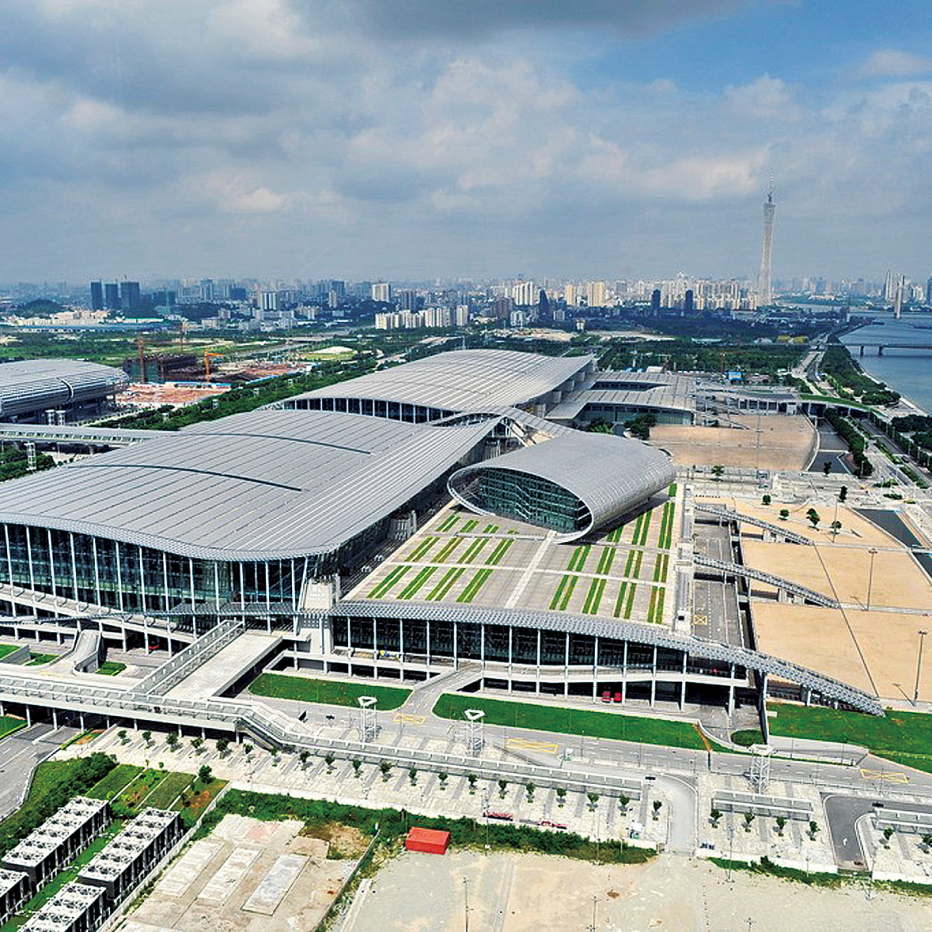
In the realm of commercial architecture—encompassing shopping malls, office towers, hotels, and mixed-use complexes—steel structures have emerged as a transformative solution, redefining how modern commercial spaces balance operational demands, visual appeal, and long-term value.
Unlike traditional concrete systems, steel offers unparalleled flexibility in spatial design, rapid construction timelines, and the ability to support complex architectural forms, all while meeting the rigorous performance requirements of high-traffic, multi-purpose commercial environments. From the open atriums of shopping centers to the sleek facades of urban office towers, steel structures form the invisible backbone of commercial buildings, enabling experiences that attract tenants, customers, and investors alike.
Key Application Forms in Commercial Buildings
Steel structures adapt seamlessly to the diverse needs of commercial projects, with configurations tailored to specific building types and functional goals. Their modularity and strength make them suitable for everything from low-rise retail plazas to high-rise mixed-use developments.
Low-to-Medium Rise Commercial Spaces (1–10 Floors)
For shopping malls, retail strips, and small office buildings, steel framing systems prioritize open, column-free spaces and quick construction. Common applications include:
- Light Steel Framing (LSF): Used for interior partitions, mezzanines, and secondary structures, LSF consists of cold-formed steel studs and tracks. It enables flexible interior layouts—critical for retail tenants that frequently reconfigure their spaces—and supports lightweight cladding materials like drywall or metal panels.
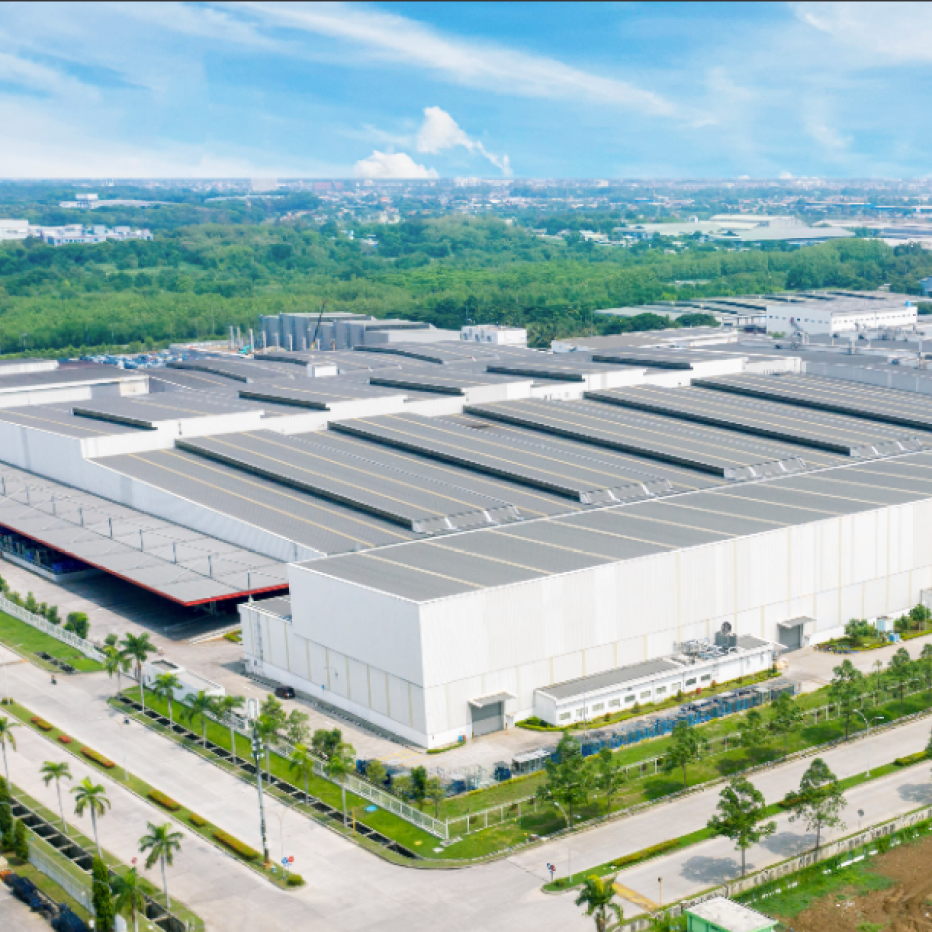
- Steel Portal Frames: Ideal for single-story retail warehouses or mall anchor stores, portal frames feature steel columns and rafters connected at rigid joints, achieving spans of 15–30 meters. This creates unobstructed spaces for large retail displays, inventory storage, or open-plan office areas.
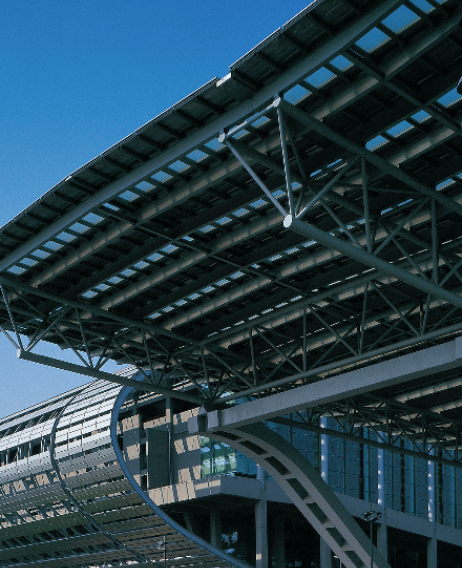
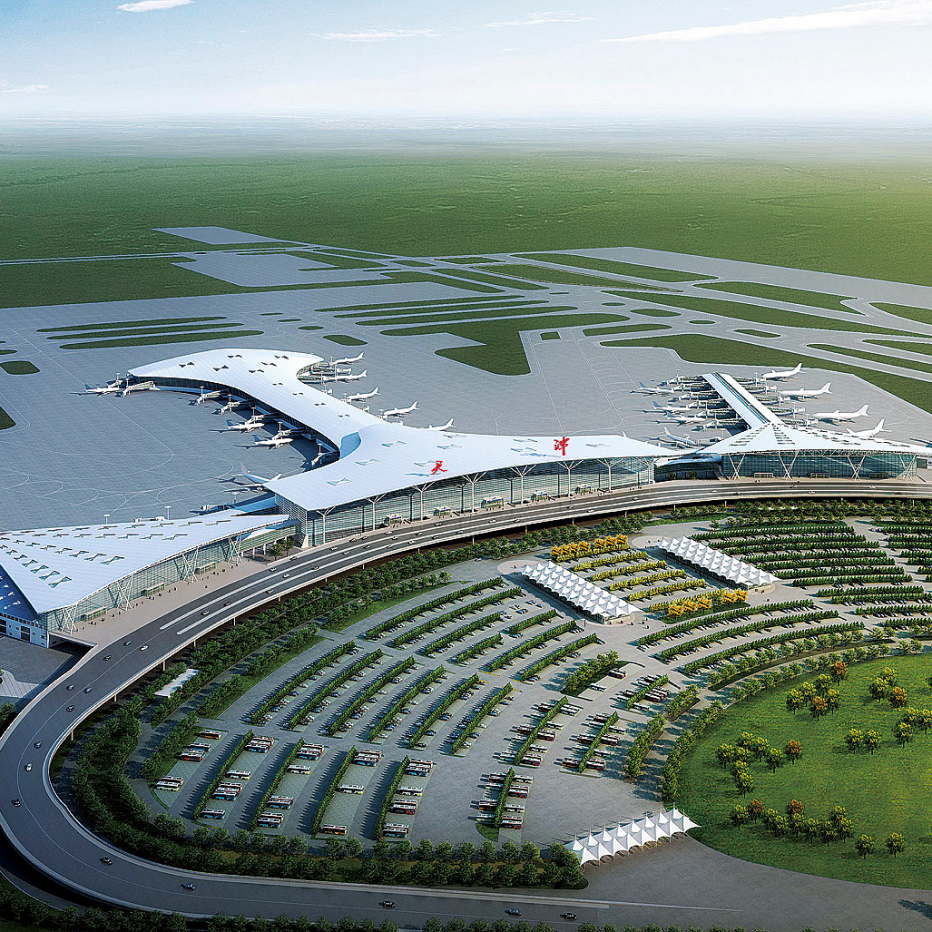
- Steel Space Grid Roofs: For mall atriums or covered plazas, steel space grids (composed of interconnected steel tubes) form lightweight, transparent roof structures. They support glass or ETFE (ethylene tetrafluoroethylene) panels, flooding interior spaces with natural light and creating visually striking focal points.
High-Rise Commercial Towers (10+ Floors)
Office towers, luxury hotels, and mixed-use skyscrapers demand steel systems that balance height, wind resistance, and floor plate efficiency. The primary configurations include:
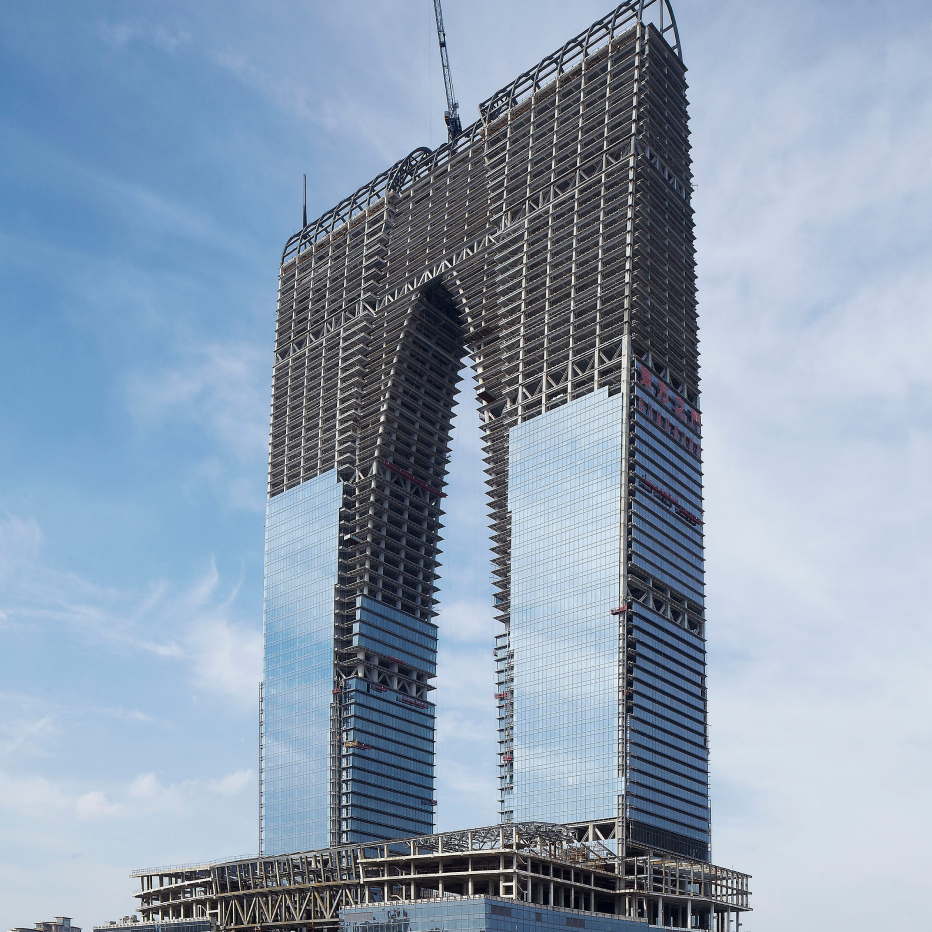
- Steel Moment-Resisting Frames (MRFs): Composed of steel beams and columns with rigid connections, MRFs resist lateral forces (wind, seismic activity) while maximizing usable floor space. They are widely used in mid-rise office buildings (10–25 floors), where open-plan layouts and large window openings are prioritized.
- Steel Braced Frames: Incorporating diagonal steel braces into the frame, this system enhances lateral stiffness, making it suitable for high-rise towers (25+ floors) in windy or seismic regions. The braces are often concealed within wall cavities or service cores to maintain clean architectural lines.
- Composite Steel-Concrete Floors: A hybrid system where steel beams are topped with concrete slabs (connected via shear studs), composite floors combine steel’s strength with concrete’s rigidity. They reduce floor depth, increase sound insulation (critical for hotels and offices), and support heavy loads like HVAC equipment or raised flooring.
Specialized Commercial Components
Steel structures also elevate the functionality and aesthetics of specialized commercial elements:
- Facade Systems: Steel curtain wall frames support large glass panels, creating the sleek, modern exteriors of luxury retail stores and office towers. Steel’s high strength-to-weight ratio enables expansive window spans, enhancing visibility for retail tenants and natural light for office workers.
- Staircases and Elevator Shafts: Steel framing for staircases (stringers, treads) and elevator shafts provides durability for high-traffic use while allowing for custom designs—from minimalist metal staircases in boutique malls to grand atrium staircases in luxury hotels.
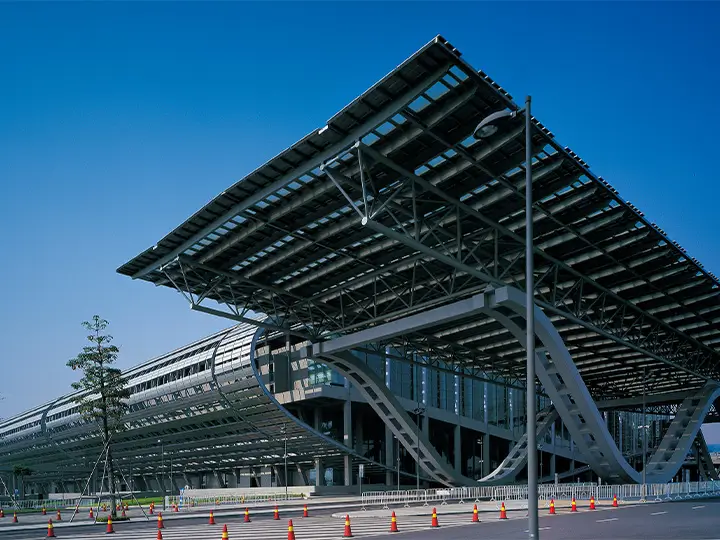
- Canopies and Pergolas: Steel canopies over building entrances or outdoor dining areas offer weather protection, while steel pergolas in commercial plazas create shaded, inviting spaces. Both leverage steel’s corrosion resistance and design flexibility to complement the building’s aesthetic.
Core Advantages of Steel Structures for Commercial Use
The adoption of steel in commercial buildings is driven by its alignment with the industry’s key priorities: maximizing revenue potential, minimizing construction disruption, and ensuring long-term adaptability.
- Spatial Flexibility: Maximizing Usable and Rentable Space
Commercial buildings’ value hinges on rentable square footage, and steel structures deliver by reducing the size of load-bearing components. Steel columns are narrower than concrete columns (often 300–400mm vs. 600–800mm for concrete), freeing up floor space for retail displays, office workstations, or hotel rooms. The large-span capability of steel (up to 50 meters for space grids) eliminates interior columns in malls and atriums, creating open, inviting environments that boost customer foot traffic and tenant satisfaction.
- Rapid Construction: Accelerating Time-to-Market
For commercial developers, time-to-market directly impacts return on investment. Steel components are prefabricated in factories with precision (CNC cutting, automated welding) and assembled on-site using bolted or welded connections. This reduces construction time by 30–50% compared to concrete, enabling retail malls to open for peak shopping seasons and office towers to start leasing earlier. For urban projects, the speed of steel construction also minimizes traffic disruption and public nuisance—critical for maintaining community goodwill.
- Aesthetic Versatility: Enhancing Brand and Appeal
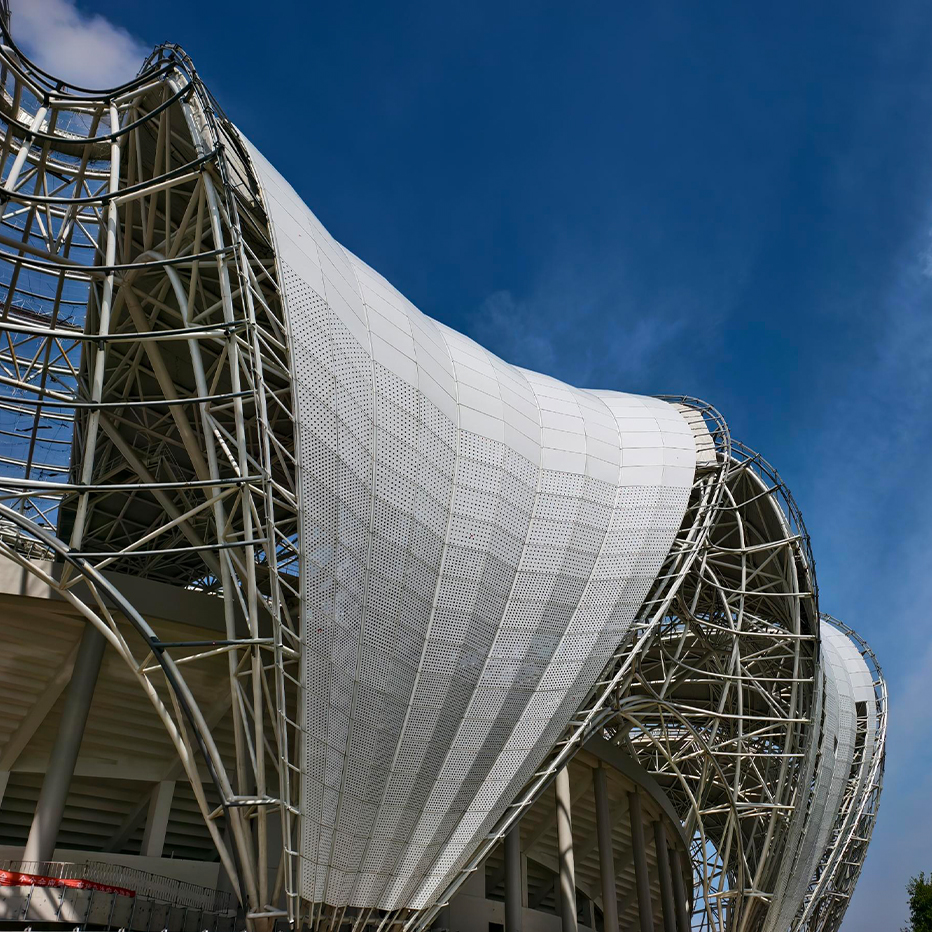
Commercial buildings serve as brand ambassadors, and steel enables architects to create distinctive, memorable designs. Steel can be left exposed (with a protective finish) for an industrial-chic aesthetic in boutique retail or co-working spaces, or concealed behind cladding for a sleek, modern look in luxury hotels. Its malleability allows for curved facades, angular rooflines, and custom architectural details that set commercial projects apart from competitors, attracting high-end tenants and customers.
- Durability and Low Maintenance: Reducing Operational Costs
Commercial buildings face constant wear from high foot traffic, environmental exposure, and tenant modifications. Steel structures—treated with hot-dip galvanizing, epoxy coating, or weathering steel—resist corrosion, rust, and pest damage, ensuring a service life of 60–100 years. Unlike concrete, steel requires minimal maintenance: annual inspections and occasional touch-ups to coatings are sufficient, reducing long-term operational costs for building owners. Steel’s strength also supports frequent tenant renovations without compromising structural integrity.
- Sustainability: Meeting Green Building Standards
Modern commercial developers prioritize sustainability to attract eco-conscious tenants and qualify for green building certifications (LEED, BREEAM). Steel contributes to these goals in multiple ways: it is 100% recyclable (with a 90%+ recycling rate in construction), reducing embodied carbon; prefabrication minimizes on-site waste (by up to 70% compared to concrete); and steel structures support energy-efficient features like rooftop PV systems and high-performance insulation. Many steel commercial buildings achieve LEED Gold or Platinum certification, enhancing their market value and appeal.
Critical Design Considerations for Commercial Steel Structures
To maximize steel’s benefits in commercial projects, engineers and architects address key design challenges specific to high-traffic, multi-purpose spaces:
- Vibration Control
High foot traffic (in malls) or mechanical equipment (in offices) can cause floor vibrations, which reduce comfort. Steel floors are designed with composite concrete slabs or damping systems to minimize vibration, meeting standards like AISC’s Design Guide 11 for floor vibration in commercial buildings.
- Fire Resistance
Commercial buildings require strict fire safety compliance. Steel components are protected with intumescent paint (expands to form a heat shield) or fire-rated encasements (gypsum board, concrete), ensuring they maintain structural integrity for 1–4 hours during a fire, as specified by IBC (International Building Code) standards.
- Acoustic Performance
Offices and hotels demand sound insulation to ensure privacy. Composite steel-concrete floors, combined with acoustic underlayment, reduce impact noise (e.g., foot traffic) by 50–60 dB, while steel stud partitions with sound-damping insulation minimize airborne noise between spaces.
- Load Capacity
Commercial spaces must support varied loads: retail floors (4.8 kPa for general retail, 9.6 kPa for storage), office floors (2.4 kPa for open plan, 4.8 kPa for data centers), and hotel lobbies (6.0 kPa for high foot traffic). Steel beams and columns are sized to meet these requirements, with additional capacity for future tenant modifications.
Iconic Case Studies
- Apple Fifth Avenue (New York): This flagship retail store features a glass cube entrance supported by a hidden steel space frame. The steel structure enables the 10-meter-tall glass cube to be completely column-free, creating a dramatic, transparent entrance that attracts millions of visitors annually.
- The Shard (London): A mixed-use commercial tower (offices, hotel, retail) with a steel-framed core and composite floors. Steel’s lightweight nature reduced foundation costs, while its strength enabled the tower’s iconic, tapering shape—now a symbol of London’s skyline.
- Westfield Stratford City (London): One of Europe’s largest shopping malls, featuring steel portal frames for retail units and a steel space grid roof over its central atrium. Steel construction enabled the mall to open in time for the 2012 Olympics, with flexible interior spaces that accommodate 300+ retailers.
Future Trends: Steel and the Smart Commercial Building
As commercial buildings evolve into smart, connected spaces, steel structures are integrating with new technologies: embedded sensors in steel beams monitor structural health (stress, corrosion) in real time; steel framing supports smart facades (adjustable glass panels for energy efficiency); and modular steel systems enable rapid retrofits for new technologies like 5G infrastructure or electric vehicle charging stations. The combination of steel’s adaptability and smart technology is creating commercial buildings that are more efficient, resilient, and responsive to tenant needs.
Conclusion
Steel structures have become the cornerstone of modern commercial architecture, offering a unique blend of spatial flexibility, aesthetic versatility, and operational efficiency that directly enhances a building’s value. From maximizing rentable space to accelerating construction timelines, steel addresses the core priorities of commercial developers, while its durability and sustainability ensure long-term performance. As commercial buildings continue to evolve—prioritizing smart technology, sustainability, and tenant experience—steel will remain at the forefront, enabling innovative designs that redefine how we work, shop, and gather. Whether for a boutique retail store or a towering mixed-use complex, steel structures deliver the functionality, appeal, and value that drive commercial success.